At the end of your cats intestinal tract is a muscular, tube-shaped structure called the colon, one function of which is the elimination of solid waste (feces). If the colon becomes dilated or enlarged, a condition called megacolon can result, and the cat loses the ability to defecate. Because toxins can build up from the feces in the colon, megacolon is a potentially life-threatening condition.
288
Common signs of megacolon include passing smaller than normal stools or defecating less frequently, straining to defecate or the inability to defecate. Some cats may lose their appetites, lose weight, vomit, become anemic or dehydrated and appear depressed. Megacolon may occur congenitally or be due to obstruction (usually as a result of a pelvic fracture), spinal cord injury or a neurological disease that prevents the cat from assuming the correct posture for elimination. Most cases of megacolon are idiopathic, or due to unknown causes.
Maintain a Clean Litter Box
Diet may not be a contributing factor, so feeding one type of food over another may have no effect on whether a cat acquires megacolon. “No dietary factors have been proven up to this point,” says Dr. Degner.
Managing the Condition
If one type of diet doesnt work, try another. “Trying different diets is not something that would hurt,” says Dr. Degner. “One might be effective, and the other might not.”
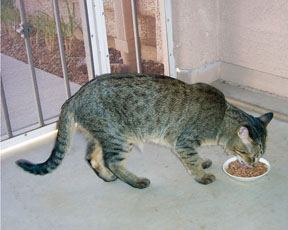
If a cat doesn’t drink enough water, water will be drawn from the colon contents in order to prevent dehydration. This may make the stool very dry and hard. Because canned food contains up to 78 percent water, your cat may benefit from being fed canned food rather than dry food to fight megacolon. “If we can get canned food into them, so much the better,” says Dr. Degner.
In addition, provide plenty of fresh water at all times. “Cats like to drink the top third of their water,” says Dr. Degner, “so put bowls of water in different areas of the house.” Some cats like running water, so a pet fountain or aerated self-waterer may help.
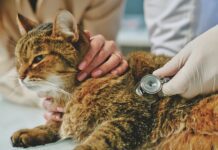
If changes in diet dont correct the problem, your veterinarian may recommend surgery to remove the non-functioning part of the colon. A cat in stable condition makes a better candidate for surgery. “Some cats may be very sick from the megacolon,” says Dr. Degner. Vomiting, electrolyte abnormalities and dehydration are problems that need to be addressed before surgical correction is undertaken.
Cats that require fluid therapy may have to stay in the hospital overnight before the surgery. Some megacolon cats will need enemas. “In some cases, we will need to remove the stool manually,” says Dr. Degner.
Post-Surgical Care
Most cats go home the day after surgery and begin eating within a day or two. If your cat resists eating the low-residue food after surgery, give the cat anything that is palatable. “Try chicken or beef baby food,” says Dr. Degner. “Get them to eat to avoid development of fatty liver disease,” he adds.
Warming your cats food will help make it more aromatic and therefore more appealing. If necessary, discuss with your veterinarian the possibility of giving your cat an appetite stimulant and above all, provide lots of TLC during her recovery. “Petting a cat can stimulate the appetite,” says Dr. Degner. “Spend time stroking your cat. Its amazing what it will do for them.”