There are criteria to consider in choosing your cat’s litter, starting with what she wants. Sometimes your desires match—but not always.
Litter can soak up urine and clump or it can remain unclumped, but it should collect urine, coat stool, minimize odors, and make cleaning easier regardless of whether it clumps or not.
A quality litter will be low dust or dust-free, which is an important consideration both for your cat and for anyone in the household with a respiratory condition. Of course, it must also be safe for your cat, affordable, and she must be willing to use it.
Some kitty litters claim to be safe to flush down your toilet, but concerns have been raised about the impact of flushable cat litter on plumbing, septic systems, and the environment (i.e., potential contamination with toxoplasma and other potentially harmful organisms). California legislation currently contains language that specifically requires any cat litter sold in the state to contain a statement discouraging owners from disposing of it in public sewer systems.
Types of Litter
Scented litter is designed to help mask any odors from the litterbox. Because cats have a sensitive sense of smell, most prefer unscented litter, especially when using a covered litterbox.
 Clumping bentonite clay litter tends to be inexpensive and effective, and it forms clumps that are easy to remove when it contacts urine, conserving the remaining clean litter. It also coats fecal material and keeps odors down.
On the downside, it is heavy and can be messy, as it often gets tracked out of the litterbox on your cat’s feet. Some brands are quite dusty, which may not be healthy for your cat or you. There are concerns about cats licking or chewing clumped litter off their feet, but this does not seem to be a problem with most cats.
Non-clumping clay litter is relatively inexpensive but not as popular as clumping litter. It’s dustier and makes the litterbox harder to clean. Owners using this option need to empty the entire box more frequently, which may offset the fact that it is less expensive on a per weight basis.
Recycled newspaper pellets are often recommended as post-surgery litter choices because they are dust-free and unlikely to interfere with healing. They can be more difficult to find, however, with fewer printed newspapers.
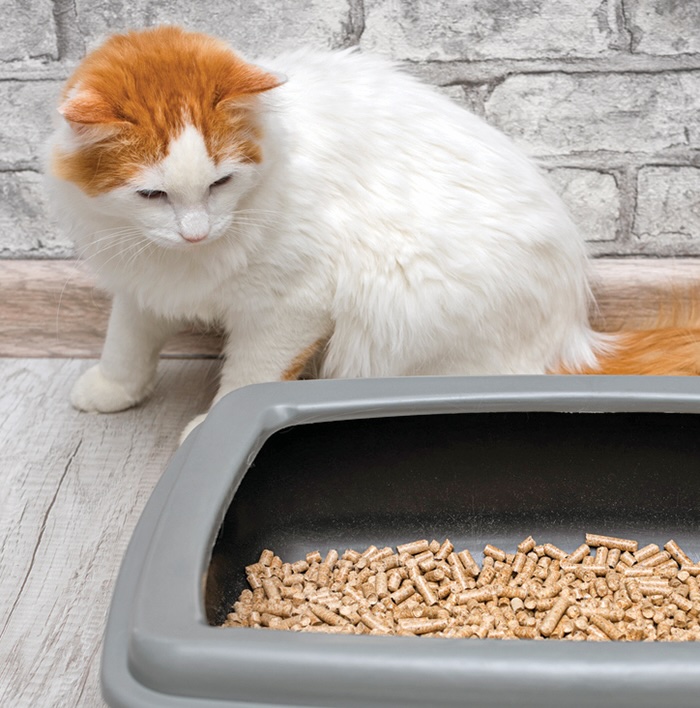
Wood litter pellets are absorbent and control odors, but some cats are put off by the pine or cedar smell. These options are biodegradable and inexpensive.
Corn litter is becoming popular. Corn litters tend to clump well and are relatively dust-free. They should be stored in airtight, dry containers, as these litters can grow molds that can be dangerous to your cat. You also need to be sure your cat isn’t interested in eating this type of litter. These litters may not be as good as some of the others at controlling fecal odors.
Silica-based litters are usually relatively dust-free, good at absorbing odors, long lasting, and potentially reusable after washing, but they can be expensive and environmentally unfriendly due to silica mining practices. Similar concerns, though, have been raised about bentonite-containing clay mining. Some cats are put off by the texture of silica-based litters.
Grass-based litters may not have been on your list as an option, but the new grass-based litters seem to work quite well. They clump urine and cover stool efficiently, keeping odors to a minimum. They are also relatively light weight and reasonably dust-free.
Feline Choice
The most important criterion for litter is what your cat wants. You may need to have separate litterboxes with different litter types to meet varying litter preferences in a multi-cat household.
Cleaning boxes daily, which means removing wet/clumped litter and stool every day, will go a long way toward keeping your cat happy with his litterbox setup. Schedule regular complete cleanings of the box or frequent turnovers if you use disposable setups.
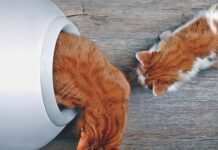
The litterbox itself is also a consideration. Some cats are not comfortable with a covered box or a mechanical box (the self-cleaning type). Senior cats may require a “cut out” or a box with low sides so they can easily get in and out of it.
Location is important, too. A quiet place with easy access is ideal. Be sure that the litterbox is protected from “ambushes” by other pets. For multiple cat households, the number of litterboxes provided should be equal to the number of cats plus one. It may be a challenge to find the litter arrangement that works best for your cat, but it is certainly worth the effort to keep her happy.ν
Oleg Opryshko | iStock
If you are changing litters, it may be a good idea to mix the old with the new rather than shock your cat with a full change.
Let Your Cat Acclimate
Cats who are moving indoors after being outdoor cats, barn cats, or feral cats may need adjustment time to adapt to commercial litter. You may need to start with pet-safe mulch, dirt, or shavings used for livestock bedding since these are the options that these cats were most likely to have been using. You can help smooth this transition by gradually mixing in increasing amounts of commercial litter over time.
Medical Status Indicators
In the last several years, kitty litters that claim to provide certain urinary health indicators, including urine pH and the presence of blood in the urine, have been introduced to the market. These “medical” litters turn different colors to indicate urine pH and the presence of urinary blood. They are generally made of silica and can be more expensive than other litters.