Gastroesophageal reflux disease (GERD) may be brewing in your cat even if you don’t see symptoms.
“My impression is that gastroesophageal reflux is less common in cats than dogs, although we may be underrecognizing GERD in the feline population,” says Dr. Alyssa Chandler, assistant clinical professor in the section of Small Animal Internal Medicine at Cornell University’s College of Veterinary Medicine (see picture on page 5). We all know cats are good at hiding signs of illness until it progresses.
Signs of GERD in cats include:
- Drooling
- Loss of appetite
- Difficulty swallowing
- Gulping
- Retching
- Tooth grinding
- Vomiting
- Regurgitation
- Restlessness
- Excessive vocalization
- Holding head/neck in extended position
GERD Can Damage the Esophagus
When an animal suffers from GERD, they may show signs that are associated with esophagitis (inflammation of the esophagus) because the esophagus cannot withstand contact with gastric acid the way the stomach can.
The esophagus has many protective mechanisms to avoid exposure to gastric acid, including a strong, tight layer of epithelial cells with a mucous coating. It is also frequently bathed with bicarbonate-rich saliva, which neutralizes acid. Perhaps most importantly, a lower esophageal sphincter (LES) between the end of the esophagus and the stomach, normally tightens to prevent the backflow of stomach acid to the esophagus. When these mechanisms fail, esophagitis from acid reflux results.
In addition to causing chronic pain and dysfunction, untreated esophagitis can result in serious complications like esophageal stricture (scarring/narrowing), rupture of the esophagus, and perhaps even esophageal cancer.

Causes of GERD
Conditions that can cause GERD in cats include persistent vomiting, hiatal hernia (an anatomical defect in the diaphragm that allows the stomach to squeeze up into the chest), improperly placed esophageal feeding tubes, and diseases that increase stomach acid production like chronic kidney disease and gastrinomas (tumors of the stomach).
“Reflux of gastric contents can also occur during general anesthesia when the lower esophageal sphincter is relaxed,” says Dr. Chandler. In addition to GERD, dry-pilling cats, especially with certain medications, can cause significant esophageal inflammation.
Diagnosing GERD
Diagnostics may include chest X-rays to rule out hiatal hernias, esophageal foreign bodies or masses, and to check for complications in the chest, including infection (pyothorax) due to esophageal leaking or rupture and aspiration pneumonia secondary to vomiting.
The best diagnostic tool for GERD is endoscopy, as the practitioner can visualize the esophageal lining, LES, and the cat’s stomach lining. A positive response to treatment for GERD is useful for making a presumptive diagnosis.
Treatment
“Depending on the individual cat, treatment options may include dietary management, acid reducers, and prokinetic medications,” says Dr. Chandler.
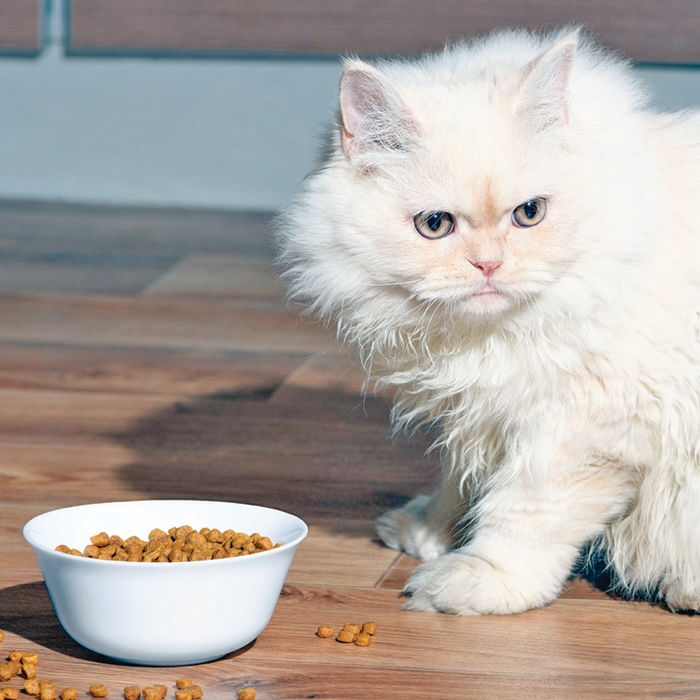
Dietary management is best achieved with low-fat, highly digestible foods. These are prescription diets available through your veterinarian. Your cat will do best if meals are made into gruel, which in essence means blended and moistened to a thin oatmeal consistency. Gruel is much easier for your cat to swallow than dry or canned food.
Acid-reducing medications fall into two categories for cats:
- Histamine receptor antagonists (H2 blockers), the most popular of which is famotidine (Pepcid)
- Proton pump inhibitors (PPIs), the most popular of which is omeprazole (Prilosec)
Histamine increases gastric acid production by binding to receptors in the stomach lining. Famotidine blocks these receptors, suppressing production of stomach acid. Omeprazole works by inhibiting biological pumps in the stomach lining that spew out stomach acid. Omeprazole is gaining favor for the treatment of GERD in cats, as its effects last longer than those of famotidine.
Your veterinarian may also suggest prokinetic medications to increase gastric motility and encourage quicker movement of ingested food through the stomach. They also increase tightening of the LES to minimize reflux of stomach contents back into the esophagus. The most commonly prescribed prokinetics in cats are metoclopramide and cisapride.
A mucosal protectant called sucralfate may be added to the treatment plan. Sucralfate binds to damaged (ulcerated) areas of esphogeal and gastric mucosa, acting like a bandage to help protect the damaged mucosal surfaces from further acid injury. For esophagitis, sucralfate is best given as a slurry so the medication can directly access the esophageal surface (as opposed to tablet form).
Prognosis
How long a cat may require treatment depends on the severity of disease and ranges from seven days for mild cases to a month or more for more serious cases.
“The prognosis for GERD in cats can be very good with proper management,” says Dr. Chandler. “If complications of acid reflux such as esophageal stricture occur, these can be associated with a far less favorable prognosis.”