Cats continue to make the news regarding the highly pathogenic avian (bird) influenza (HPAI) type A H5N1 virus. Over 130 feline cases have been confirmed, with many more likely to have gone undiagnosed or unreported.
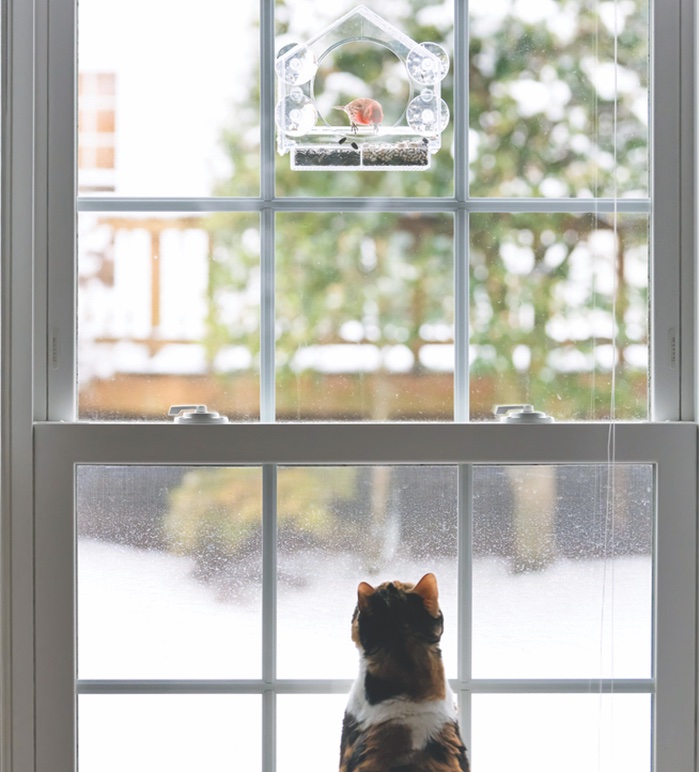
Feline cases have primarily been attributed to catching and eating infected birds, consumption of raw milk from infected dairy cows, exposure to the environments of dairy cows and/or poultry, and eating raw cat foods contaminated with meat from infected poultry.
The possibility of infection via either fomites (non-living surfaces) or from an infected person was raised by a case in which a cat succumbed to H5N1 infection after rubbing and rolling on clothes worn by a family member who showed mild illness and worked on a dairy farm with cases of avian flu. Unfortunately, this person was not tested for H5N1 infection, so the source of the feline infection in this case remains unclear.
Cats are believed to be able to transmit H5N1 infections to other cats, but at this point, there is no definitive evidence of cats spreading H5N1 to people. Despite this, the potential for cat-to-human transmission exists, so it is recommended that if a cat is suspected of being infected with H5N1, proper protective equipment should be worn by veterinary staff and family members.
Sick cats that are demonstrating signs of H5N1 infection (fever, anorexia, respiratory illness, neurologic signs) should be isolated. Anyone working at a dairy farm or poultry farm (i.e., ducks, chickens, turkeys) should take extra precautions to avoid bringing any virus home on clothing or shoes, especially if H5N1 has been identified on the farm(s) at which they work.
Cats infected with avian flu may demonstrate respiratory (difficulty breathing, coughing, ocular/nasal discharge) or neurological signs (lethargy, wobbly gait, balance problems, tremors, blindness, seizures). The prognosis for infected cats is, unfortunately, poor at this time.
You can find updated information regarding H5N1 infections in cats by visiting the Cornell Feline Health Center’s H5N1 portal at: https://www.vet.cornell.edu/departments-centers-and-institutes/cornell-feline-health-center/health-information/h5n1-avian-influenza-and-your-cat