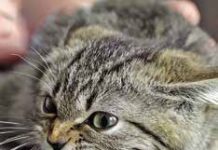
More than half of cats over 15 years old show some cognitive changes. These signs may include odd pacing, meowing loudly, crashing about, and either not using the litterbox or no longer covering up urine and stool. The signs can range from mild to severe.
Many symptoms of cognitive dysfunction are not specific to dementia, so the first thing to do is rule out medical problems. When a thorough veterinary examination and screening bloodwork show no medical reason for behavior changes in a senior cat, it is reasonable to assume it’s feline dementia.
Various signs can signal the onset of dementia, and a cat may show only one or two of them or many. These include:
- An increase in vocalizations, often late at night or early in the morning
- Problems with elimination, including not using the litterbox at all or not covering up urine and/or feces
- Pacing at night, sometimes leading to your cat getting “lost” or getting stuck in a corner or under something
- Decreased grooming leading to mats and/or an unkempt haircoat
- Becoming less social, such as a cat who no longer seeks you out to play with or to sleep on your lap
- Fear, hiding, or avoiding you
- Loss of appetite
- Acting like she doesn’t know you or her housemates
“Most cats who I’ve seen with signs of dementia presented with nighttime vocalization and restlessness. Another common behavior change is urinating and/or defecating outside the litterbox. Any of these signs can be due to medical issues such as pain, sensory decline, or urinary and/or gastrointestinal problems,” says Pamela J. Perry, DVM, PhD, board-certified veterinary behaviorist at Cornell University’s College of Veterinary Medicine.

Difficult Diagnosis
There is no definitive diagnostic test for cognitive dysfunction in pets. Your veterinarian will rely heavily on the history and description you provide.
Your veterinarian will first rule out any medical condition that could cause similar clinical signs, such as hyperthyroidism, which can cause affected cats to pace and vocalize at night. Other chronic health problems like cardiac disease and arthritis can look similar. A diagnosis of dementia is basically a “rule out other diseases” diagnosis.
Best Management Strategies
Dr. Perry stresses the importance of environmental management. It should be designed similarly to what you do to accommodate an arthritic cat’s needs:
- Using ramps or stairs where needed
- Placing a low-sided litterbox in an easy-access area
- Adding nightlights to help at night
- Providing a heated cat bed for increased comfort
Much of the care revolves around minimizing stress and keeping the status quo. Leave food bowls, water bowls, scratching posts, litterboxes, and beds in the same location. Don’t make significant furniture changes in your home.
This is usually not the time to add a new pet, although occasionally a senior cat will blossom with a kitten addition. If you’re considering this, arrange to foster a pet first before you adopt one, so it is simpler to return the kitten or new cat if things don’t work out.
Obviously, this is not the time to host events in your home. If there’s no choice, try to find a quiet, safe place in the house for your cat to stay for the duration.
Work extra time into your schedule to play with or even just sit with your cat. New food puzzles, games, and toys can help to keep her mentally engaged.
While it’s best for all cats to be indoor only, it is critical to keep your senior cats inside. They can go out in a secure catio or for short walks on a harness, but do not let them free outdoors, as they may have trouble finding their way home.
This management takes work and dedication, but it’s worth it. Remember all the joy and good memories your cat has provided you over the years, and, as with any aging family member, your senior cat needs your help during this special time of their life.