

Astrid860 | iStock photo
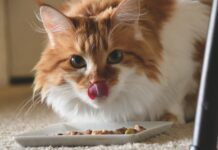
Studies have shown that, especially for senior cats, warming up food can increase palatability and consumption. Cats naturally use their excellent sense of smell to find food and prefer meals with a bit of an “odor.” (Well, not all odors—a surprising number of cats don’t like seafood.)
While elderly cats may be less active, they still need adequate nutrition to maintain muscle mass and general health, and since their sense of smell may become less acute with age, warming foods can stimulate them to eat more.
Heating food releases more volatile compounds, which means more smells to attract interest. As these compounds disperse in the air, they alert your cat to the presence of food and contribute to taste sensations.
Cold Canned Food—Ick
Canned food fresh out of the refrigerator is often ignored by cats. Warming that same food up in the microwave or by adding some warm water to make a slurry that is room temperature or a bit higher can tempt your finicky feline, particularly if they are not feeling well. Warm food not only produces a stronger smell, it also is easier for a cat with a sore mouth or dental disease to consume.
You may need to experiment to find the right food temperature for your cat. For some cats, canned food at room temperature works, although most cats prefer their dinners a touch warmer.
If you use a microwave, always stir the food carefully before feeding and test it to be sure the food isn’t too hot. Feel the temperature of the dish as well. Your cat can get a burned mouth just like you can. A painful experience may be associated with a certain food or flavor and turn your cat off that food forever.
You can also warm food by setting the bowl with the food in it in a pan of warm water. You can also add warm/hot water directly to some canned foods, but you should still check to be sure that foods are not too hot if you do this.
Feeding a warm slurry can be an excellent way to get food and some extra fluids into old or sick cats.
The warmth enhances odors to stimulate appetite, and the extra fluid is helpful for hydration. Less energy is required to digest a warm versus a cold meal, and this is another plus for cats who need a nutritional boost.
Discard Leftovers
Once you have heated food, it is best to discard leftovers. Many foods will lose nutritional value if they are reheated, which means that you will usually need to feed specific amounts during meals if you plan to warm your cat’s food and not free feed. Many cat owners will feed meals of canned food and leave some dry kibble out for all day munching.
Your cat is an individual. You may find that one cat prefers her food warm, while another likes her food room temperature, so experimenting to determine your cats’ preferences is a good idea.

Thank you, I have a 10 y.o. cat with IBD and taking Budesonide and we just put on novel diet of mostly duck and sometimes rabbit as he gets board quickly and not interested in eating either now. I’ll try warming up the canned food with a little extra water. I didn’t know warm food with a little extra water helps with digestion which is real important as the IBD has thickened the walls of most of his small intestine which I found out makes it harder for the muscles in the walls of the small intestines to move the food through.