The term “pyometra” means pus-filled uterus. Occasionally, the pressure from the infection is so intense that the uterus ruptures, spewing pus into the abdomen. This terrible infection is avoidable by having your female cat spayed.
The feline uterus is a Y-shaped organ. The two horns, which are normally thinner than a pencil, can swell to the size of fat sausages with this infection. As the uterus swells, the thinning of the uterine wall and the pressure from within allows toxins to seep into the bloodstream, potentially making the cat seriously ill.
In clinical settings, pyometra is most frequently seen in stray, recently adopted, adult female cats. Pyometra can be a problem in purebred feline breeding programs, too. The likelihood of pyometra increases with age, with intact female cats over 7 years of age most commonly affected. If you never plan to breed your cat, be sure to have her spayed at an early age.
The treatment of choice is surgical removal of the ovaries and uterus (spay) combined with antibiotics and stabilization/supportive care as needed.
Why Does Pyometra Occur?
Cats are “induced ovulators,” which means the act of mating is what stimulates the release of eggs. As such, they are ready to mate on a continual basis and go in and out of heat often. With every heat cycle, thickening of the uterine lining occurs in preparation for pregnancy. When this thickening is excessive and persistent it is called “cystic endometrial hyperplasia,” and it makes the uterus more prone to bacterial infection. This may be part of the reason pyometra occurs more commonly in older cats.
The offending bacteria make their way into the uterus from the vagina. While the uterine environment is normally sterile, the vaginal vault is not. The cervix, which separates the two, must relax during a heat cycle and mating to allow the passage of sperm. When bacteria that normally reside in the vagina take advantage of this window of opportunity, pyometra may result.
Signs of pyometra in cats include:
- Lethargy
- Loss of appetite
- Dehydration
- Fever
- Excessive thirst and urination
- Possible bloody, smelly vaginal discharge
Vaginal discharge may or may not occur because sometimes the cervix is open and allows infected discharge to drain (open pyometra), but sometimes the cervix is closed such that the infection cannot drain (closed pyometra). Furthermore, because cats are such fastidious groomers, the vaginal discharge associated with an open pyometra may not be immediately apparent. Cats with a closed pyometra tend to get much sicker much more quickly than cats with an open pyometra.
With an open pyometra, the uterus doesn’t get as distended, so there is less systemic absorption of toxins and less risk of rupture. Some cats with open pyometras show no signs of illness at all other than vaginal discharge.
Diagnosis of Pyometra
A diagnosis starts with physical examination, followed by blood tests and X-rays. An open pyometra is much easier to diagnose on physical exam if the unmistakable bloody, smelly discharge is present. Blood tests and X-rays, however, may be more difficult to interpret with an open pyometra.
Closed pyometras tend to have classic changes in the bloodwork and are often easily visualized on X-rays. If a diagnosis remains elusive after these initial diagnostics, an abdominal ultrasound should seal the deal.
Treatment
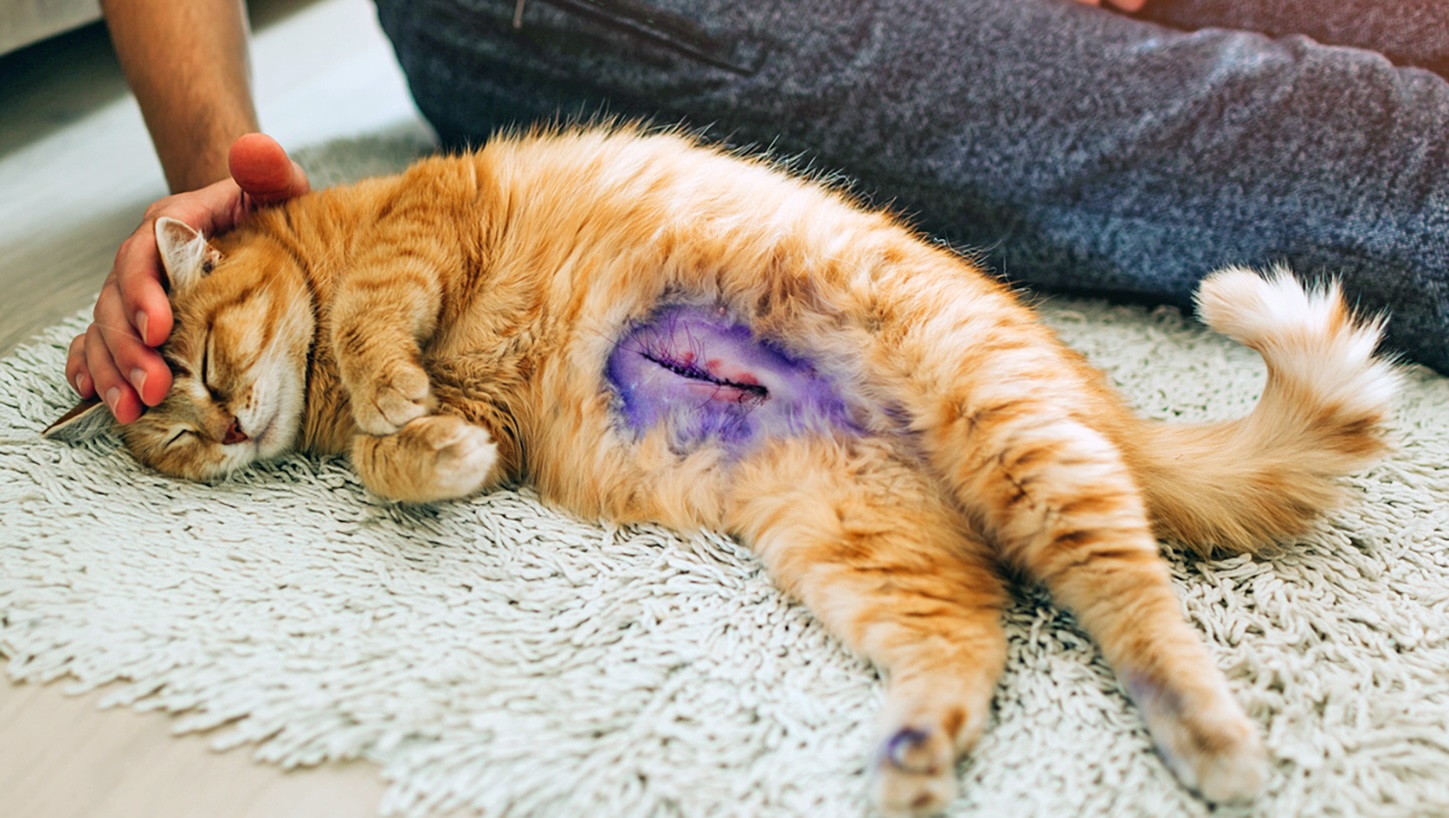
The recommended treatment is surgery. Removal of the ovaries and infected uterus is curative. Some sick cats will require hospitalization and stabilization prior to surgery, but surgery should be pursued as soon as possible. Pain medications and antibiotics will be prescribed by your veterinarian.
Medical therapy is available if you don’t want to have your cat spayed (e.g.. valuable purebred breeding queen) but:
- It doesn’t always work
- Side effects can be uncomfortable
- If it does work, the queen’s fertility is often negatively impacted
- The affected cat will always be prone to repeat pyometra
The upside to pyometra surgery is that, although it’s a bigger, more complex surgery than a spay on a cat who is not ill, it’s still a spay, so most general veterinarians can do it themselves. The biggest thing the surgeon must be sure to do is use extra care when handling the diseased uterus to avoid inadvertent intra-operative rupture and spread of infection into the abdomen.