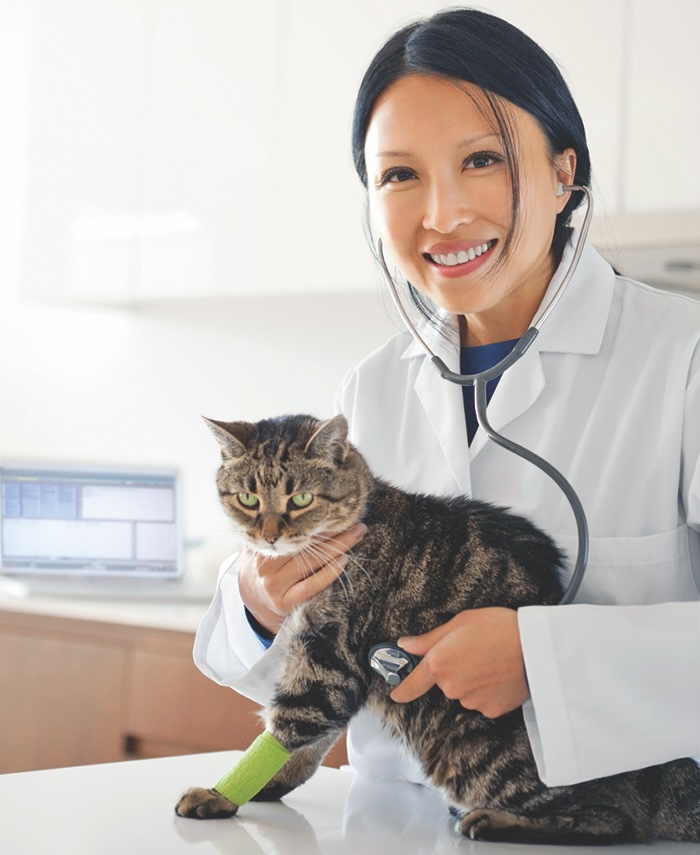
As your cat ages, her health concerns grow. When she “officially” becomes a senior cat (around the age of 10), your cat should begin undergoing a thorough veterinary evaluation twice a year.
This is a time to consider a wellness plan. Many veterinary clinics offer their own wellness plan for senior pets. These plans vary with the individual clinic but often include multiple exams per year, bloodwork once or twice a year, and other screenings such as blood pressure checks. Vaccinations and dental care may be included.
Some plans waive or discount emergency fees if your cat must be rushed in for an unexpected health crisis. Prescription diets and medication costs may or may not be covered.
Questions to Ask
Whether clinic or pet insurance, it is important to ask whether alternative treatments are covered. An arthritic senior cat may, for example, benefit from acupuncture, laser, or regular rehabilitation treatments. A wellness plan that covers these benefits may quickly pay for itself.
Considerations on Health
With a senior pet, it is always important to think ahead. Your cat may be very healthy right now, but the odds of her developing a health problem as she ages are high.
Illnesses such as hyperthyroidism may be resolved with a large one-time expense (think radioiodine therapy), or you may choose daily medication. Kidney problems often require frequent veterinary visits to monitor disease progression, and cats with these problems may require medications as well as special diets.
Even if you decide to forgo a wellness plan from your clinic or your pet health insurance company, it is wise to start putting some funds away in a designated account for your senior cat’s health care, if possible.
Prescription medications can be quite expensive. Whether your plan covers medication costs can be a deal maker or breaker. The same is true for “extra” diagnostics outside the norm. An NT-proBNP test for heart disease or an SDMA test to screen for early renal disease may not be included. The same caution holds for ECGs, ultrasound, and/or radiographs. Some plans will at least discount these services, while others won’t.
You can delay senior health problems in your cat by providing good preventive health care, which means keeping her weight ideal, keeping her active, and staying current on her necessary vaccinations and internal and external parasite control.
Even if you do this, it’s important to consider potential senior cat health problems and to establish a wellness plan in advance of their development.