



Gene Mutation
Hypertrophic cardiomyopathy (HCM) is a common potentially deadly disease in cats. Early diagnosis and staging are critical to treatment. Cats with HCM are at...
Crystalluria in Cats
Crystalluria refers to solid mineral particles in urine. For experienced cat owners, a report of crystals found in their cat’s urine sample can cause...
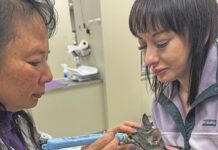
Glaucoma Is a Painful Disease
Glaucoma is a painful disease that can result in blindness. It happens when something goes wrong with the normal movement of fluid through the...

Feline Idiopathic Cystitis Care
The most common lower urinary tract problem in cats under 10 years of age is feline idiopathic cystitis (FIC). As its name implies, FIC...
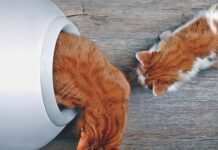
Incontinence in Cats
Incontinence is defined as the involuntary passage of urine or feces. Usually, your cat is not aware of it, and affected cats usually do...

Managing Pancreatitis In Cats
Management is a key component of treatment for feline pancreatitis, which is probably more common than we realize. The American College of Veterinary Internal...

Feline Dementia
Cats can develop dementia with brain changes strikingly similar to those seen in humans with Alzheimer’s disease, including the accumulation of the toxic protein...
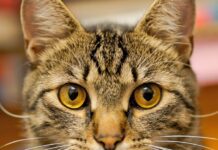
Uneven Pupil Size
Cats’ eyes are really cool, especially their pupils. They change size dramatically in different levels of light and often are a reflection of a...

MDR1 Mutation Identified in Cats
The MDR1 genetic mutation of the ABCB1 gene is well documented in Collies and Australian Shepherd dogs. Few know, however, that this defect was...
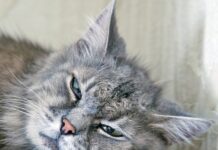
Anemia Is Far From Simple
Determining whether your cat is anemic (has a lower than normal red blood cell count) requires a simple blood test. Determining the cause, though,...

FDA OKs Emergency Screwworm Treatment
The U.S. Food and Drug Administration (FDA) issued an Emergency Use Authorization for Credelio CAT (lotilaner chewable tablets). This is the first drug authorized...
Congestive Heart Failure
Congestive heart failure (CHF) occurs when the heart doesn’t pump blood forward normally, resulting in the “backup” of blood and the accumulation of fluid...