


Feline Kidneys: Vulnerable
Your cats kidneys, two relatively small organs located behind its rib cage - one on each side of its spine - play a central role in almost all of its bodily processes. They help to control the blood pressure and regulate the amount and chemical consistency of fluid in the bloodstream. They produce a variety of vitally needed hormones and enzymes, and they contribute to the production of red blood cells.

Short Takes: 06/07
It hardly seems possible. But time flies, and what was once a rare procedure - kidney transplants for cats with renal failure - is now performed often enough that researchers can look at a relatively unusual complication of a once-rare operation. And they can give it a name: PTDM, or post-transplantation diabetes mellitus, as veterinary scientists from the University of California-Davis and the University of Pennsylvania did in the Journal of the American Veterinary Medical Association (Vol. 230, No. 6).

Diagnosis: Kidney Disease
Your cats kidneys play a central role in almost all of its bodily processes. They help to control the blood pressure and regulate the amount and chemical consistency of fluid in the bloodstream. They produce a variety of vitally needed hormones and enzymes, and they contribute to the production of red blood cells. They also remove metabolic waste, such as urea, mineral salts and poisonous substances, from its blood. This is accomplished by kidney (renal) tissue containing hundreds of thousands of tiny filtration units called nephrons. When waste-laden blood enters the kidneys through the renal artery, it moves through progressively smaller vessels until it reaches these nephrons, where it is filtered through microscopically minute structures called glomeruli. The cleansed blood - about 95 percent of the total fluid volume that originally entered the kidneys - then circulates back to the heart for yet another voyage through the body. Meanwhile, the remaining fluid, containing the waste products, is passed along as urine from the kidneys to the bladder and eventually excreted.
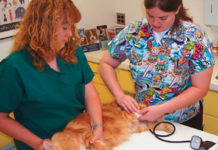
Feline Hypertension
High blood pressure usually results from kidney disease or a hyperactive thyroid gland.
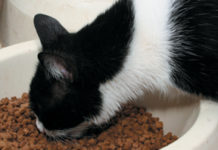
Kidney Failure and Diet
Providing enough calories to prevent further weight loss is one of the objectives when feeding a cat with kidney disease.
When Kittys Kidneys Go Bad
Experts strive to lower the life-threatening risk of feline renal failure.
Kidney Transplants
Success Depends on Surgical Skill and Caregiver Dedication
Chronic Renal Failure
Progression of Irreversible Disease Varies, But Quality and Length of Cats Life Can Be Improved