



Warning Signs Of Cancer
While different cancers have varying warning signs, early symptoms can be general signs that something’s wrong. Some signs might indicate other illnesses as well,...

Bone Cancer Metastases
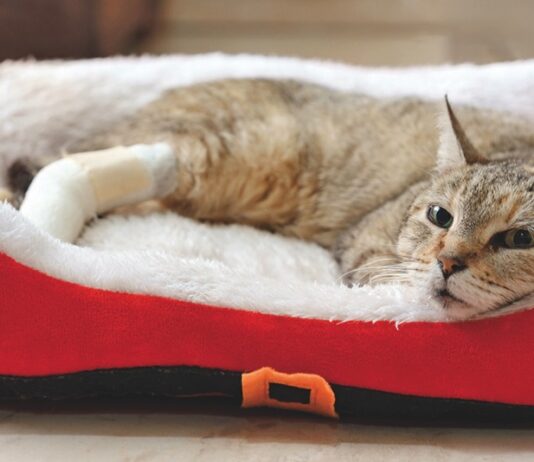
Cats with bone cancers tend to be lame and usually have swelling at the cancer site. The area is often painful and feels warm...

SCC: Early Diagnosis Is Critical
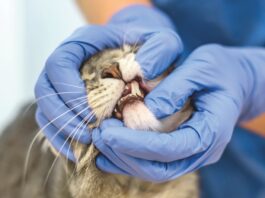
Squamous cell carcinoma (SCC) is one of the most common cancers seen in cats. You may be familiar with the classic form of this...

Cornell Feline Mammary Cancer Research
Arianna Bartlett, a PhD candidate at the Baker Institute at Cornell University, is studying feline mammary cancer. Mammary cancer is the third most common...

Donations Help Save Mika From Cancer
When her owner noticed a lump on Mika’s leg, her veterinarian diagnosed injection-site sarcoma, a cancer. Mika underwent successful surgery to have the lump...

Living With Lymphoma
Lymphoma is cancer of the lymphocytes, a type of white blood cell that produces antibodies and protects your cat from infections. When lymphocytes become...

Chemo for Mammary Cancer
Feline mammary cancer (FMC) is aggressive. About 90% of cases are malignant, with metastasis already present at the time of diagnosis. The risk is...

Fecal Transplants Can Work
Feline fecal microbiota transplants—yes, inserting feces from one cat into another—are becoming more common as a therapy for serious chronic problems, such as chronic...

Feline Ocular Post Traumatic Sarcoma
Tumors of the feline eye are relatively uncommon, but when they occur, they can significantly affect a cat’s quality of life and may be...
Ear-Canal Tumor Surgical
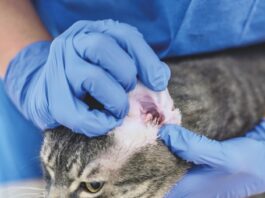
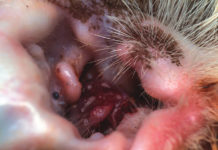
Q. I have a 16-year-old cat, and he has developed a tumor in his ear canal. It has been active and growing for six...
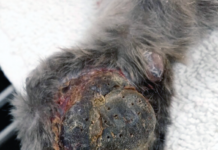
Tackling Mast Cell Cancer
Mast cell tumors are the most common feline cancer of the spleen, the second most common skin tumor (accounting for 8 to 21% of...

MOPP Chemotherapy Is a Viable Alternative
Lymphoma accounts for 30% of all forms of neoplasia in cats. Most feline lymphoma cases are characterized as medium to high grade, and multi-agent...